Group-income-simple: Localize display of currency throughout the app
Problem
I think it might be the case that not all countries display currency with the symbol in front of the amount. I.e. some might do 100$ instead of $100. However, our app currency assumes that the symbol goes in front of the amount (everywhere).
Solution
- Find out if there are countries/languages where the positioning is reversed (or somehow different)
If so, search the project for all instances of
mincomeAmountandmincomeCurrencyand fix their display by generating the strings usingLandi18nwith proper positioning, e.g.L('{currency} {amount}', { currency: this.mincomeCurrency, amount: this.mincomeAmount })Or, since this might not be a language-based issue (but a region based issue), perhaps that's not the right way to go about it, and maybe for this case we need to look into libraries or built-in browser functions to handle proper rendering of currency info
NOTE: at issue creation, mincomeCurrency is named incomeCurrency, but this should change as soon as #679 is merged
 taoeffect
All 5 comments
Yes, positioning is sometimes reversed. Depending on the language, the € can come before or after the number: Written conventions for the euro in the languages of EU member states
For displaying a symbol, before/after are the only two conventions I recall seeing.
There's also the option to use ISO Currency Codes (e.g. USD, EUR, XBT). The ISO code would help distinguish between similar symbols (e.g. USD vs. CAD, XBT vs. THB), and also prevent the dreaded � or ☐ when the user's device doesn't support the currency symbol. See:
https://english.stackexchange.com/questions/11899/what-is-a-good-convention-for-expressing-different-currencies
 dotmacro
on 3 Oct 2019
dotmacro
on 3 Oct 2019
I researched this topic a while back (while designing our currency pickers) and reached the same conclusion as @dotmacro - the best option (that is, the option that works best with all currencies and languages) is to display the ISO code. I also added the symbol as an extra:
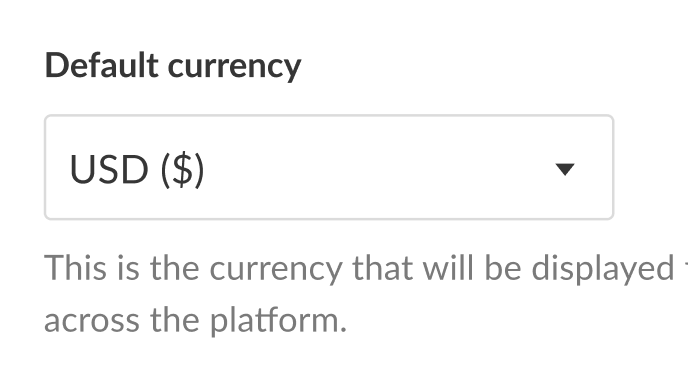
However, there are some places where we only show the symbol:
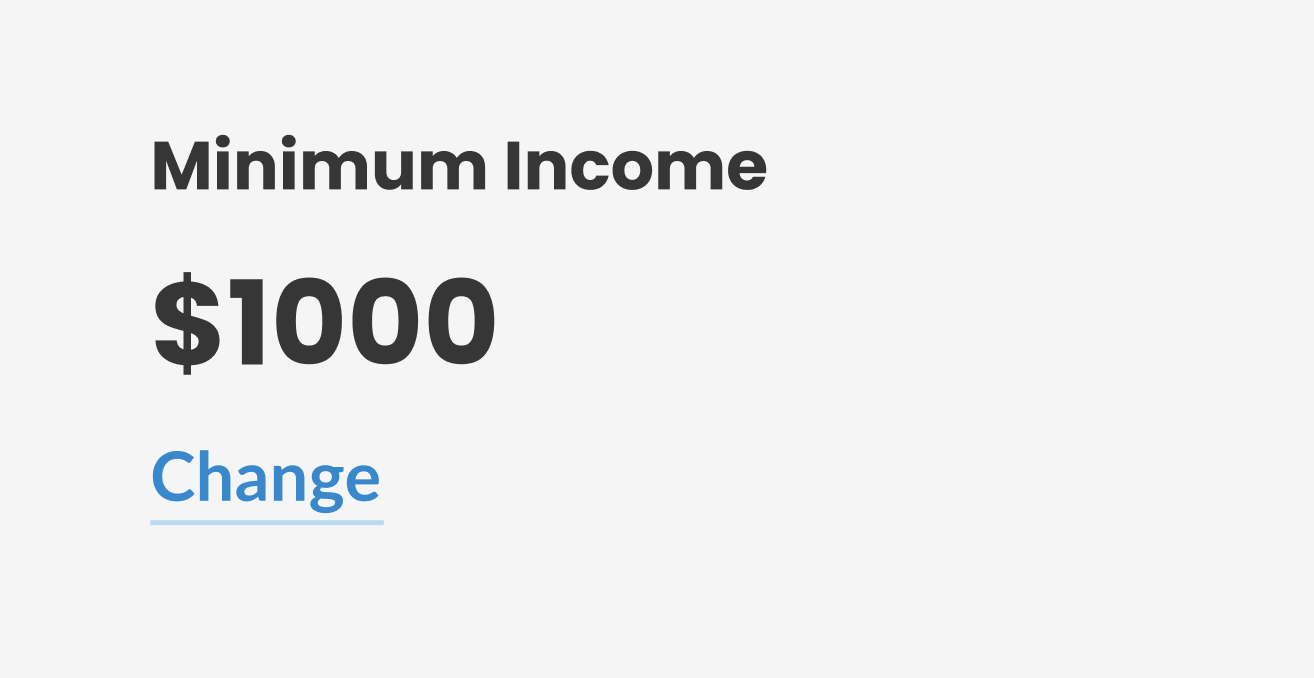
If we need to choose one, I would say that the ISO code would be better. If we can do both, that's even better! Up to you to decide @taoeffect !
 mmbotelho
on 3 Oct 2019
mmbotelho
on 3 Oct 2019
Probably closed with the update to currencies.js. If not, feel free to re-open!
taoeffect
on 19 Oct 2019
Possibly useful link: Falsehoods programmers believe about prices
Feel free to re-open this issue if we missed any of that ☝️
taoeffect
on 3 Dec 2019
- All currencies have an ISO 4217 3-letter code. (The Transnistrian ruble has none, for example)
Should be okay for the prototype (so leaving issue closed), but potentially something to be aware of later.
dotmacro
on 13 Jan 2020
Related issues
taoeffect
·
5Comments
mmbotelho
·
7Comments
 sandrina-p
·
5Comments
taoeffect
·
8Comments
taoeffect
·
8Comments
sandrina-p
·
5Comments
taoeffect
·
8Comments
taoeffect
·
8Comments
Most helpful comment
Yes, positioning is sometimes reversed. Depending on the language, the € can come before or after the number: Written conventions for the euro in the languages of EU member states
For displaying a symbol, before/after are the only two conventions I recall seeing.
There's also the option to use ISO Currency Codes (e.g. USD, EUR, XBT). The ISO code would help distinguish between similar symbols (e.g. USD vs. CAD, XBT vs. THB), and also prevent the dreaded � or ☐ when the user's device doesn't support the currency symbol. See:
https://english.stackexchange.com/questions/11899/what-is-a-good-convention-for-expressing-different-currencies