My application panics on startup in iced_wgpu::text::Pipeline::clear_measurement_cache with Trim text measurements: TextureTooSmall { suggested: (512, 512) } (see backtrace below). This started happening when I added a lot more text elements. You can try to reproduce this from https://github.com/Gohla/space_engineers_calc by running cargo run --package secalc_gui_iced --bin secalc_gui_iced -Z unstable-options --profile=debuginfo
thread 'main' panicked at 'Trim text measurements: TextureTooSmall { suggested: (512, 512) }', src\libcore\result.rs:1189:5
stack backtrace:
   0:     0x7ff7adfb71b9 - backtrace::backtrace::trace_unsynchronized
                               at C:\Users\VssAdministrator\.cargo\registry\src\github.com-1ecc6299db9ec823\backtrace-0.3.40\src\backtrace\mod.rs:66
   1:     0x7ff7adfb71b9 - std::sys_common::backtrace::_print_fmt
                               at /rustc/25d8a9494ca6d77361e47c1505ecf640b168819e\/src\libstd\sys_common\backtrace.rs:84
   2:     0x7ff7adfb71b9 - std::sys_common::backtrace::_print::{{impl}}::fmt
                               at /rustc/25d8a9494ca6d77361e47c1505ecf640b168819e\/src\libstd\sys_common\backtrace.rs:61
   3:     0x7ff7adfce73b - core::fmt::write
                               at /rustc/25d8a9494ca6d77361e47c1505ecf640b168819e\/src\libcore\fmt\mod.rs:1024
   4:     0x7ff7adfb4144 - std::io::Write::write_fmt<std::sys::windows::stdio::Stderr>
                               at /rustc/25d8a9494ca6d77361e47c1505ecf640b168819e\/src\libstd\io\mod.rs:1412
   5:     0x7ff7adfb9c99 - std::sys_common::backtrace::_print
                               at /rustc/25d8a9494ca6d77361e47c1505ecf640b168819e\/src\libstd\sys_common\backtrace.rs:65
   6:     0x7ff7adfb9c99 - std::sys_common::backtrace::print
                               at /rustc/25d8a9494ca6d77361e47c1505ecf640b168819e\/src\libstd\sys_common\backtrace.rs:50
   7:     0x7ff7adfb9c99 - std::panicking::default_hook::{{closure}}
                               at /rustc/25d8a9494ca6d77361e47c1505ecf640b168819e\/src\libstd\panicking.rs:190
   8:     0x7ff7adfb98ec - std::panicking::default_hook
                               at /rustc/25d8a9494ca6d77361e47c1505ecf640b168819e\/src\libstd\panicking.rs:207
   9:     0x7ff7adfba4ec - std::panicking::rust_panic_with_hook
                               at /rustc/25d8a9494ca6d77361e47c1505ecf640b168819e\/src\libstd\panicking.rs:466
  10:     0x7ff7adfba060 - std::panicking::continue_panic_fmt
                               at /rustc/25d8a9494ca6d77361e47c1505ecf640b168819e\/src\libstd\panicking.rs:375
  11:     0x7ff7adfb9f49 - std::panicking::rust_begin_panic
                               at /rustc/25d8a9494ca6d77361e47c1505ecf640b168819e\/src\libstd\panicking.rs:304
  12:     0x7ff7adfca4bd - core::panicking::panic_fmt
                               at /rustc/25d8a9494ca6d77361e47c1505ecf640b168819e\/src\libcore\panicking.rs:81
  13:     0x7ff7adfca5bf - core::result::unwrap_failed
                               at /rustc/25d8a9494ca6d77361e47c1505ecf640b168819e\/src\libcore\result.rs:1189
  14:     0x7ff7add5c009 - core::result::Result<glyph_brush::glyph_brush::BrushAction<()>, glyph_brush::glyph_brush::BrushError>::expect
                               at /rustc/25d8a9494ca6d77361e47c1505ecf640b168819e\src\libcore\result.rs:984
  15:     0x7ff7add5c009 - iced_wgpu::text::Pipeline::clear_measurement_cache
                               at C:\Dev\iced\wgpu\src\text.rs:144
  16:     0x7ff7add2530f - iced_wgpu::renderer::{{impl}}::layout
                               at C:\Dev\iced\wgpu\src\renderer.rs:416
  17:     0x7ff7add2530f - iced_native::user_interface::UserInterface<secalc_gui_iced::app::Message, iced_wgpu::renderer::Renderer>::build<secalc_gui_iced::app::Message,iced_wgpu::renderer::Renderer,iced_native::element::Element<secalc_gui_iced::app::Message, iced_wgpu::renderer::R
                               at C:\Dev\iced\native\src\user_interface.rs:112
  18:     0x7ff7add12bbf - iced_winit::application::Application::run<iced::application::Instance<secalc_gui_iced::app::App>>
                               at C:\Dev\iced\winit\src\application.rs:153
  19:     0x7ff7add46efc - iced::application::Application::run
                               at C:\Dev\iced\src\application.rs:154
  20:     0x7ff7add46efc - secalc_gui_iced::main
                               at C:\Dev\space_engineers_calc\code\gui_iced\src\main.rs:12
  21:     0x7ff7add46e96 - std::rt::lang_start::{{closure}}<()>
                               at /rustc/25d8a9494ca6d77361e47c1505ecf640b168819e\src\libstd\rt.rs:61
  22:     0x7ff7adfb9ea7 - std::rt::lang_start_internal::{{closure}}
                               at /rustc/25d8a9494ca6d77361e47c1505ecf640b168819e\/src\libstd\rt.rs:48
  23:     0x7ff7adfb9ea7 - std::panicking::try::do_call<closure-0,i32>
                               at /rustc/25d8a9494ca6d77361e47c1505ecf640b168819e\/src\libstd\panicking.rs:289
  24:     0x7ff7adfbdc5c - panic_abort::__rust_maybe_catch_panic
                               at /rustc/25d8a9494ca6d77361e47c1505ecf640b168819e\/src\libpanic_abort\lib.rs:28
  25:     0x7ff7adfba822 - std::panicking::try
                               at /rustc/25d8a9494ca6d77361e47c1505ecf640b168819e\/src\libstd\panicking.rs:267
  26:     0x7ff7adfba822 - std::panic::catch_unwind
                               at /rustc/25d8a9494ca6d77361e47c1505ecf640b168819e\/src\libstd\panic.rs:395
  27:     0x7ff7adfba822 - std::rt::lang_start_internal
                               at /rustc/25d8a9494ca6d77361e47c1505ecf640b168819e\/src\libstd\rt.rs:47
  28:     0x7ff7add46f37 - main
  29:     0x7ff7ae06b760 - post_pgo_initializer
  30:                0x1 - <unknown>
 Gohla
Gohla
All 4 comments
Thanks for the report! I have been able to reproduce the issue and fix it. PR is on the way!
This is an impressive app you have built! I think it's the most complex one I've seen made in Iced so far.
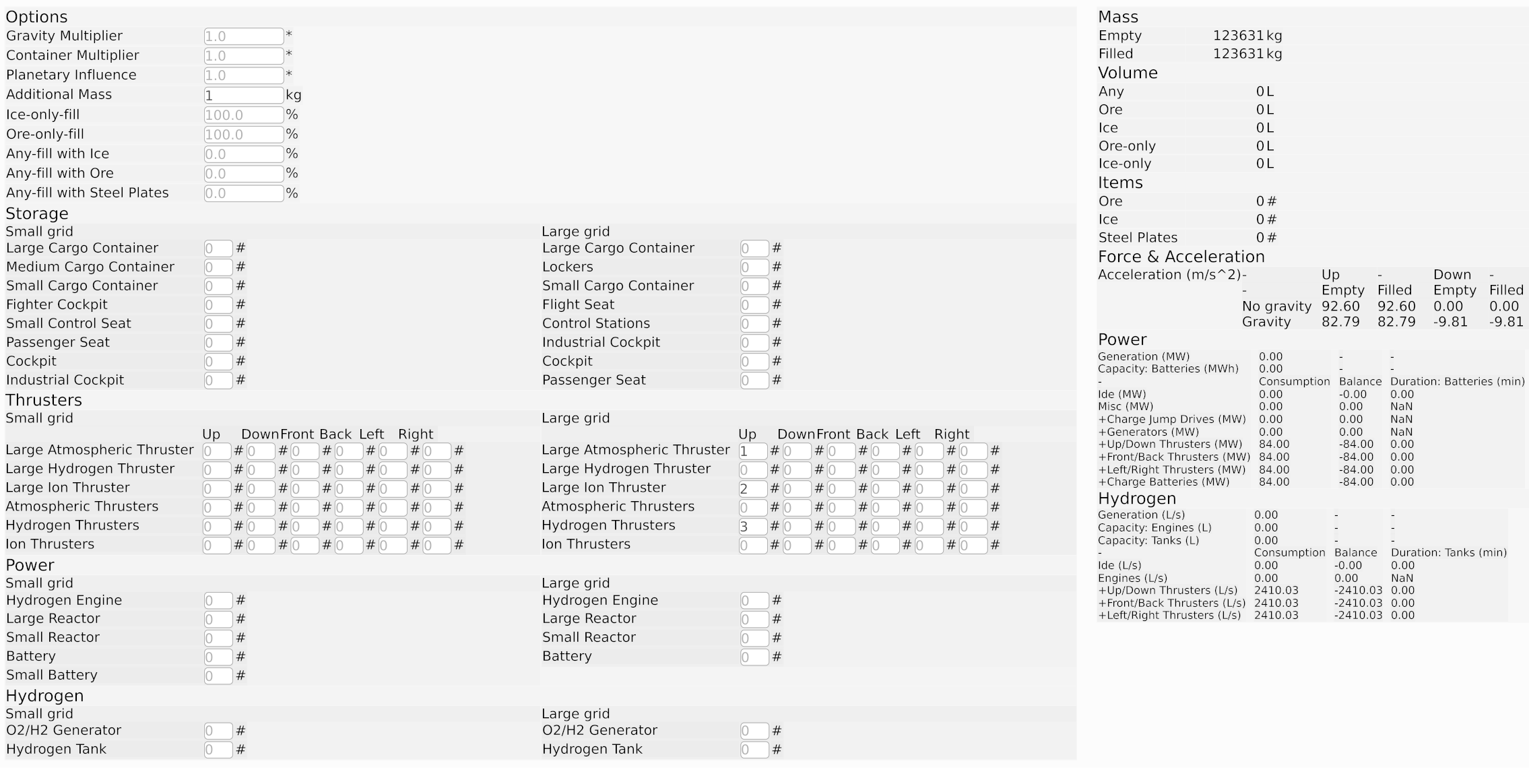
I've noticed you have helper functions to make widgets shrink, I have been thinking about making it the default. Let me know if there are other details you feel could be improved.
 hecrj
on 18 Dec 2019
hecrj
on 18 Dec 2019
It should be fixed by #130.
hecrj
on 18 Dec 2019
Thanks! It's quite a primitive application with just lots of text inputs and outputs :sweat_smile:
For this application I want most things to shrink because text takes up so much space. But I'm not entirely sure what the defaults should be, as I think it depends on the kind of application. Single-line pieces of text (e.g., labels and headers) should probably width-shrink, but I'm not sure about multi-line pieces of text. What is the semantics of width-shrink there anyway, does it shrink at new lines and wrap as late as possible?
For columns and rows, I think it depends again. The outer column/row can width-shrink or have a fixed width, and then the inner ones can fill. Or the other way around (which is what I am doing right now): outer row width-fills, inner columns width-shrink. Maybe shrinking could be a conservative default (with some padding/spacing to ensure things aren't too tight?), and filling would be opt-in. But I'm not sure, as I don't have a lot of experience creating GUI's.
Grid support would be really nice though. I am kind of emulating grids by putting things in rows and giving labels a fixed-width that corresponds to the largest label (determined by experimentation). Grids could take care of this automatically, by width-shrinking the column with labels.
One last thing is that the default text size is kind of large. This is easy to fix with a function that sets a default size though. I understand that styling could fix this at some point. Maybe styling could also influence the (default) filling/shrinking behavior?
In any case, this is a really cool and nicely designed library, great job! I was using gtk-rs before, which of course has much more GUI features, but is a slog to work with because all widget notifications need to be handled in 'static closures which means all state needs to be wrapped in Rc<RefCell<T>>. Compiling and deploying a GTK application is also hell, especially on Windows. With Iced, I can easily compile and deploy a native executable or use the web (i.e., https://secalc.gohla.nl/ for this app). I particularly liked creating a web application without touching a single line of HTML or JavaScript :grinning:
Gohla
on 19 Dec 2019
It should be fixed by #130.
That indeed fixes it, thanks!
Gohla
on 19 Dec 2019
Related issues
 Charles-Schleich
·
3Comments
Charles-Schleich
·
3Comments
 Newbytee
·
4Comments
Newbytee
·
4Comments
 pbspbsingh
·
4Comments
hecrj
·
3Comments
pbspbsingh
·
4Comments
hecrj
·
3Comments
 sumibi-yakitori
·
3Comments
sumibi-yakitori
·
3Comments
Most helpful comment
Thanks! It's quite a primitive application with just lots of text inputs and outputs :sweat_smile:
For this application I want most things to shrink because text takes up so much space. But I'm not entirely sure what the defaults should be, as I think it depends on the kind of application. Single-line pieces of text (e.g., labels and headers) should probably width-shrink, but I'm not sure about multi-line pieces of text. What is the semantics of width-shrink there anyway, does it shrink at new lines and wrap as late as possible?
For columns and rows, I think it depends again. The outer column/row can width-shrink or have a fixed width, and then the inner ones can fill. Or the other way around (which is what I am doing right now): outer row width-fills, inner columns width-shrink. Maybe shrinking could be a conservative default (with some padding/spacing to ensure things aren't too tight?), and filling would be opt-in. But I'm not sure, as I don't have a lot of experience creating GUI's.
Grid support would be really nice though. I am kind of emulating grids by putting things in rows and giving labels a fixed-width that corresponds to the largest label (determined by experimentation). Grids could take care of this automatically, by width-shrinking the column with labels.
One last thing is that the default text size is kind of large. This is easy to fix with a function that sets a default size though. I understand that styling could fix this at some point. Maybe styling could also influence the (default) filling/shrinking behavior?
In any case, this is a really cool and nicely designed library, great job! I was using
gtk-rsbefore, which of course has much more GUI features, but is a slog to work with because all widget notifications need to be handled in'staticclosures which means all state needs to be wrapped inRc<RefCell<T>>. Compiling and deploying a GTK application is also hell, especially on Windows. With Iced, I can easily compile and deploy a native executable or use the web (i.e., https://secalc.gohla.nl/ for this app). I particularly liked creating a web application without touching a single line of HTML or JavaScript :grinning: