Dgraph: Shortest path does not respect `first` ... sometimes
If you suspect this could be a bug, follow the template.
- What version of Dgraph are you using?
play.dgraph.io
- Have you tried reproducing the issue with latest release?
Yes, it still fails
- What is the hardware spec (RAM, OS)?
MacOS but also play.dgraph.io, so probably irrelevant
- Steps to reproduce the issue (command/config used to run Dgraph).
Run a shortest path query and use first or offset to get a specific part of the path.
For instance, in order to find movies directed by Michael Bay where Megan Fox appears,
we can run this query on play.dgraph.io:
{
  path as shortest(from: 0x5526c6, to: 0x652d3f, depth: 2) {
    <director.film>
    <actor.film>
    <starring>
    <performance.actor>
  }

  names(func: uid(path)) {
    uid
    name@.
  }
}
This wils return one of the movies matching the description:
{
  "extensions": {...},
  "data": {
    "names": [
      {
        "uid": "0x5526c6",
        "name@.": "Michael Bay"
      },
      {
        "uid": "0x40b2f3",
        "name@.": "Transformers: Revenge of the Fallen"
      },
      {
        "uid": "0x4d6d44"
      },
      {
        "uid": "0x652d3f",
        "name@.": "Megan Fox"
      }
    ],
    "_path_": [
      {
        "director.film": [
          {
            "starring": [
              {
                "performance.actor": [
                  {
                    "uid": "0x652d3f"
                  }
                ],
                "uid": "0x4d6d44"
              }
            ],
            "uid": "0x40b2f3"
          }
        ],
        "uid": "0x5526c6"
      }
    ]
  }
}
Now, if I want to get only the name of the movie, I know that this is the second element of the path, so first:1, offset: 1 should work, but it doesn't.
Depending on the combination you might get different results.
Only offset
If I set offset: 1 I expect to see the name of the movie first (we skipped the director) followed by an anonymous node (the performance) and finally Megan Fox.
{
  path as shortest(from: 0x5526c6, to: 0x652d3f, depth: 2) {
    <director.film>
    <actor.film>
    <starring>
    <performance.actor>
  }

  names(func: uid(path),  offset: 1) {
    uid
    name@.
  }
}
Randomly, I get either the name of the movie and the performance but no Megan Fox:
[...]
  "data": {
    "names": [
      {
        "uid": "0x7111ab",
        "name@.": "Bad Boys II"
      },
      {
        "uid": "0x733703"
      }
    ],
    "_path_": [
      {
        "director.film": [
          {
            "starring": [
              {
                "performance.actor": [
                  {
                    "uid": "0x652d3f"
                  }
                ],
                "uid": "0x733703"
              }
            ],
            "uid": "0x7111ab"
          }
        ],
        "uid": "0x5526c6"
      }
    ]
  }
}
But also, sometimes, I'll get just Megan Fox
[...]
  "data": {
    "names": [
      {
        "uid": "0x652d3f",
        "name@.": "Megan Fox"
      }
    ],
    "_path_": [
      {
        "director.film": [
          {
            "starring": [
              {
                "performance.actor": [
                  {
                    "uid": "0x652d3f"
                  }
                ],
                "uid": "0x466767"
              }
            ],
            "uid": "0x1053f0"
          }
        ],
        "uid": "0x5526c6"
      }
    ]
  }
}
Only first
If I set the request to use first: 1 the query works correctly and only returns Michael Bay.
But ... if I set it to two, randomness comes back and sometimes I'll get the right result:
{
  path as shortest(from: 0x5526c6, to: 0x652d3f, depth: 2) {
    <director.film>
    <actor.film>
    <starring>
    <performance.actor>
  }

  names(func: uid(path),  first: 2) {
    uid
    name@.
  }
}
[...]
  "data": {
    "names": [
      {
        "uid": "0x5526c6",
        "name@.": "Michael Bay"
      },
      {
        "uid": "0x7111ab",
        "name@.": "Bad Boys II"
      }
    ],
    "_path_": [
      {
        "director.film": [
          {
            "starring": [
              {
                "performance.actor": [
                  {
                    "uid": "0x652d3f"
                  }
                ],
                "uid": "0x733703"
              }
            ],
            "uid": "0x7111ab"
          }
        ],
        "uid": "0x5526c6"
      }
    ]
  }
}
And sometimes I'll get Michael Bay and Megan Fox, skipping both the movie and the performance!
[...]
  "data": {
    "names": [
      {
        "uid": "0x5526c6",
        "name@.": "Michael Bay"
      },
      {
        "uid": "0x652d3f",
        "name@.": "Megan Fox"
      }
    ],
    "_path_": [
      {
        "director.film": [
          {
            "starring": [
              {
                "performance.actor": [
                  {
                    "uid": "0x652d3f"
                  }
                ],
                "uid": "0x466767"
              }
            ],
            "uid": "0x1053f0"
          }
        ],
        "uid": "0x5526c6"
      }
    ]
  }
}
Lastly, just for fun let's use first and offset together!
The query I wanted to perform to get the second element was first: 1, offset: 1.
{
  path as shortest(from: 0x5526c6, to: 0x652d3f, depth: 2) {
    <director.film>
    <actor.film>
    <starring>
    <performance.actor>
  }

  names(func: uid(path), offset: 1, first: 1) {
    uid
    name@.
  }
}
This will again sometimes work:
[...]
  "data": {
    "names": [
      {
        "uid": "0x7111ab",
        "name@.": "Bad Boys II"
      }
    ],
    "_path_": [
      {
        "director.film": [
          {
            "starring": [
              {
                "performance.actor": [
                  {
                    "uid": "0x652d3f"
                  }
                ],
                "uid": "0x733703"
              }
            ],
            "uid": "0x7111ab"
          }
        ],
        "uid": "0x5526c6"
      }
    ]
  }
}
But sometimes it won't:
[...]
  "data": {
    "names": [
      {
        "uid": "0x652d3f",
        "name@.": "Megan Fox"
      }
    ],
    "_path_": [
      {
        "director.film": [
          {
            "starring": [
              {
                "performance.actor": [
                  {
                    "uid": "0x652d3f"
                  }
                ],
                "uid": "0x4d6d44"
              }
            ],
            "uid": "0x40b2f3"
          }
        ],
        "uid": "0x5526c6"
      }
    ]
  }
}
 campoy
All 5 comments
I had a deeper look into this and the problem here is that we don't preserve the order of UIDs in the uidMatrix when populating UIDs from a variable that was the result of the shortest path query. We sort the list of UIDs before doing pagination. In general all uid variables are supposed to contain sorted lists whereas in the case of the shortest path, they are not guaranteed to and the order matters. We'll have to add a way to find out the cases in which we should preserve the order.
This is the step where the order of elements in the uidMatrix is changed
https://github.com/dgraph-io/dgraph/blob/857e30fd11556b5f5948b521fb29da2a4b338c5a/query/query.go#L2295
 pawanrawal
on 31 Jul 2019
pawanrawal
on 31 Jul 2019
No need to work on this right now, but it's good to keep track of what we need to improve regarding k-shortest paths.
campoy
on 6 Aug 2019
Seems tricky. We'd need to make variables switch from Go maps to some sorted map implementation, which would be slower.
 manishrjain
on 6 Sep 2019
manishrjain
on 6 Sep 2019
I do understand this is not easy to fix, but something needs to be done.
Maybe we should simply disable the usage of first and other pagination on variables coming from shortest path?
Or maybe the variables coming from shortest path should simply be different?
campoy
on 17 Sep 2019
Github issues have been deprecated.
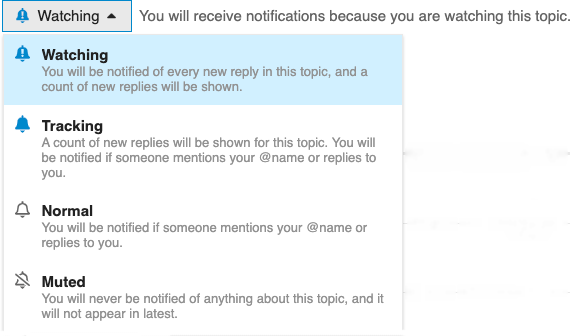
This issue has been moved to discuss. You can follow the conversation there and also subscribe to updates by changing your notification preferences.
 minhaj-shakeel
on 20 Jul 2020
minhaj-shakeel
on 20 Jul 2020
Related issues
 fritzblue
·
5Comments
fritzblue
·
5Comments
 ShawnMilo
·
4Comments
ShawnMilo
·
4Comments
 djdoeslinux
·
4Comments
djdoeslinux
·
4Comments
 mbudge
·
3Comments
mbudge
·
3Comments
 protheusfr
·
4Comments
protheusfr
·
4Comments