Berry: [Feature] Discussion around release strategy of Yarn v2
- [ ] I'd be willing to implement this feature
- [ ] This feature can already be implemented through a plugin
Describe the user story
As a library author, I want to recommend the best and most reliable way to use my libraries, so I recommend users use yarn. With yarn v2 I can no longer do this because it is not compatible with React Native. I would like to continue to recommend yarn.
As a JS developer, I want to use one package manager everywhere. I use yarn in all of my projects and I would like to continue to do this but I won't be able to because yarn v2 will not work in many of them.
Describe the solution you'd like
I think that until yarn pnp is ready to be used in all major projects in the existing ecosystem, it should be released under another name. In environments where yarn pnp works well, people can adopt this easily and enjoy the benefits. Once people experience it, library authors will start to make sure their libraries work with it. When it has become very popular and widely supported, release it under a new major version for yarn or keep the name if the branding is working.
Describe the drawbacks of your solution
It is going to be unpleasant and tedious work to rename everything and create some different branding and domains. Probably there are more things I haven't considered.
Describe alternatives you've considered
The main alternative is to continue to release yarn v2 as-is. This would be less work but it runs a serious risk of hurting the trust that the community has gained in yarn. People will no longer be able to depend on yarn working on all of their projects, and library authors will move away from recommending it. There will always be a concern about large breaking changes potentially disrupting workflows and users will build around other tools instead.
 brentvatne
All 83 comments
Yes, we are discussing this at the moment. I can see the problem and definitely don't want to break workflows (hence why we hold off on updating the latest tag, for example).
The rational behind reusing the name is mostly to make clear that no evolutions will happen on the 1.x trunk (I mean, maybe someone will step up and take over, but I would find this highly unlikely). That being said, maybe a different release name doesn't necessarily preclude from this.
What I think could be a good way to go forward would be to:
- keep Yarn 2 into the Yarn organization
- keep the yarnpkg.com / legacy.yarnpkg.com split
- keep releasing the modular packages as
@yarnpkg/<name>
But to release the CLI binary under the berry package name on npm (which I already control), with the berry binary name. To prevent the confusion I talked about earlier, the yarn package would also be marked as deprecated (deprecated isn't the right word, but it's the name of the npm feature. The actual message would say "frozen", or similar word we could discuss) and would recommend to try out the berry package.
Once the ecosystem is ready (for example we can put a reconductible hard reevaluation date on Jan 24 2021) we would then consider to take back the yarn package name.
Would that answer your concerns?
 arcanis
on 25 Jan 2020
arcanis
on 25 Jan 2020
What about using v1 instead of legacy for now to refer to yarn v1? I think it is a bit early to call it legacy, at least until v2 is more widely supported. I also think v2 / PnP should not be the default mode until supported by react-native and flow which are 2 very large communities.
 janicduplessis
on 25 Jan 2020
janicduplessis
on 25 Jan 2020
I don't think that that would be sufficient. It would still technically live under the yarn branding with all the packages and also the domain being yarnpkg.com. Wouldn't that be even more confusing?
Instead, I think the right move would be to entirely embrace the name berry and use it everywhere (including domain). You can still technically deprecate yarn (I personally wouldn't) by adding a nice large banner on yarnpkg.com and in the installer that leads ppl to the berry website so they can check it out voluntarily and switch over once the migration from yarn to berry is sufficiently simple.
 fubhy
on 25 Jan 2020
fubhy
on 25 Jan 2020
Yarn was primarily built to solve problems at large companies who had trouble managing their dependencies. They have most likely made significant investments into the integration of Yarn. Now, these companies do not have a viable migration path and will be stuck with Yarn v1 for years to come given Berry's change in dependency management behavior. I believe deprecating Yarn v1 is premature and I am confident that various people and companies will keep supporting it if necessary. There is no need to turn the existing community away given that they are quite happy with the current version of Yarn.
I am also in favor of releasing Berry as a separate project. Let's reconsider replacing Yarn with Berry once it gained significant community adoption, and is known to support all parts of the JavaScript ecosystem just like Yarn v1. At that point in time we'll all be able to confidently agree that Yarn v1 is obsolete.
 cpojer
on 25 Jan 2020
cpojer
on 25 Jan 2020
If the governance believes that berry will in fact subsume yarn but important pieces currently labeled experimental are not yet complete (pnp, compatbility, etc), why not use a "next" metaphor to denote where the tool is going and set good expectations while keeping the branding? It feels premature to immediately label yarn 1 "legacy" at the moment.
 cwhitten
on 25 Jan 2020
cwhitten
on 25 Jan 2020
I think your proposal will largely solve my concerns @arcanis, with a few changes:
- yarnpkg.com leads to yarn v1. the landing page includes information about it being in maintenance mode with major feature work being done now on berry, and provide a pitch for berry.
- berry.yarnpkg.com leads to berry/yarnv2
- leave out "deprecating" npm package for now, this may cause some concern from users installing it and i think won't be the best way to help with adoption of berry
brentvatne
on 25 Jan 2020
@brentvatne +1
cpojer
on 25 Jan 2020
Have to agree strongly with everyone here. At Twitter, we're going to be stuck on Yarn v1 or else need to move back to npm and hope that the improvements they've put in over the last couple of years will be enough that our tooling built on top of yarn can be ported over.
 paularmstrong
on 25 Jan 2020
paularmstrong
on 25 Jan 2020
Thinking about this more, I'm not a fan of changing the name and adding another package manager to the JS ecosystem. Let's not get JS fatigue trending again. Is there a technical reason for not supporting the node_modules structure and defaulting to PnP?
I'm sure a lot of people and companies would love to use the new yarn v2 features without PnP until it is more proven and widely supported.
There should be a transition period, especially considering this is completely rewritten. I suggest
- Holding on on making v2 the default until node_modules support is stable.
- Make v2 the default in node_modules resolution mode, PnP opt-in.
- When PnP is widely supported make it the default.
This allows everyone to benefit from v2 improvements while keeping breaking changes and migration very minimal.
janicduplessis
on 25 Jan 2020
From the original author of yarn:
Yarn 2 shouldn’t even be called Yarn. Change every piece of a ship and it’s a completely new ship, not an evolution. Want to shed previous baggage? New name. Want to make a completely new codebase with a different project philosophy? New name. Otherwise? Thrash the community.
 kaatt
on 25 Jan 2020
kaatt
on 25 Jan 2020
I mentioned this already on Twitter to you @arcanis but I'd like to repeat it here: I think what you did with Berry is amazing and if this was a green field and Node and the ecosystem was in it's infancy this would definitely be a much easier transition. But with 1.2 million packages currently published on the registry and so many projects using Node, npm and yarn (v1) as their backbone, this is waaaay too much of a drastic sweeping change for a single major release while also immediately deprecating the "old" version. Especially considering that it's currently absolutely non trivial to migrate from v1 to v2. Just ask yourself this: Would you expect React v17 to "simply work" after upgrading from v16? Or with a minimal amount of easy fixes? I would.
fubhy
on 25 Jan 2020
Is there a technical reason for not supporting the node_modules structure and defaulting to PnP?
It's already the case, as pointed out in the blog post. We are investing in both areas. Some improvements are on their way in this regard, and we fully intend to support node_modules if you wish to keep using them.
arcanis
on 25 Jan 2020
@arcanis In this case does the migration plan I suggest makes sense. PnP looks promising but sadly years of infra work depends on the node_modules resolution. I think this is the only reason for all the push back around yarn v2.
janicduplessis
on 25 Jan 2020
I like @janicduplessis's migration plan proposal as well. If people can update to the latest yarn version and continue using it the same as they are today then this will get pnp just a few keystrokes away from users and they will be much more likely to try it out.
brentvatne
on 25 Jan 2020
@janicduplessis @brentvatne Given the complete rewrite of all algorithms in Berry (rather than an incremental major version bump with some breaking changes, bug fixes and new features), what framework could we use to ensure that it meets the bar in terms of behavior and functionality that will enable >95% of users to upgrade without any work involved? It seems that Brent's initial proposal is healthier for the community in the short term.
cpojer
on 25 Jan 2020
@cpojer
- Holding on on making v2 the default until node_modules support is stable.
That would be the first point of the migration strategy. Ideally we'd get to the point where node_modules mode in yarn v2 produces a close enough output to yarn v1 that we are confident to make it the default.
If we can get a couple large projects to test v2 to provide feedback on the node_modules mode that would be great and give enough confidence to be able to replace yarn v1 with it.
Do you think facebook would be interested in testing yarn v2 with node_modules mode?
janicduplessis
on 25 Jan 2020
We can definitely commit to testing it, but anything that's not a drop-in-replacement at this time will probably not work for us.
Another approach could be to focus on improving Yarn 1's PnP mode and gaining significant adoption first (See: https://yarnpkg.com/lang/en/docs/pnp/ ). However, Given that PnP was released more than one year ago and hasn't gained significant traction makes me worried that the approach may not be viable to become a default at any time in the future and that we'll be stuck with materialized node_modules.
cpojer
on 25 Jan 2020
@cpojer The node_modules support in v2 is being worked on. It is certainly not ready at the moment, but hopefully will be there soon enough. Even in this case the perfect drop-in replacement might be not possible, more like the replacement in the sense of switching from npm to yarn v1 should be achievable.
 larixer
on 25 Jan 2020
larixer
on 25 Jan 2020
To be crystal clear, PnP will remain as the default on this repository and the 2.x releases, this isn't something that's going to change.
That being said - I'm ok with dropping the idea of adding a "deprecated" notice on the yarn package. I understand what you say regarding people being unreasonably warning-adverse (honestly the case already presented before with optional peer dependencies and here to we had to find a workaround to make it happen). I don't think it will do them any favour, but it's not a fight I want to have.
The website however should stay as it is. We all have to make compromises, I think asking you to click on an extra link to access the confusing documentation that isn't maintained about the version that isn't maintained is reasonable. Everything is already redirected, so referenced links will keep working and search engines will pick it up.
arcanis
on 25 Jan 2020
@arcanis I highly suggest you reconsider @brentvatne’s suggested solution. My beliefs are that Yarn 2 is a different package manager at the moment since it has no upgrade path for a significant amount of the userbase. Big players such as FB and Twitter have publicly stated that they cannot use Yarn 2 because of PnP. Like it or not, they have large sway when it comes to JS standardization.
My worry with your proposed plan is that you will damage the reputation of Yarn and kill the thing you have been working so hard on as well. That would be a shame, since what you have built is awesome. However, maintainers including myself, will immediately remove yarn from all docs so as to avoid confusing people around installation. The website needs to be Yarn 1, with a big banner stating that berry is the blessed successor and linking to its docs.
 jaredpalmer
on 25 Jan 2020
jaredpalmer
on 25 Jan 2020
Why not just call it yarn2 like python3 so that we can have yarn and yarn2 installed at the same time with compatibility?
 JounQin
on 26 Jan 2020
JounQin
on 26 Jan 2020
One current problem is testing Yarn 2. I would love to try it in some of my projects, but doing npm i -g yarn@berry and npm i -g yarn@latest over and over while switching is not viable currently.
It would be nice to have a separate (temporary) package with the yarn binary renamed to berry, maybe under @yarnpkg/berry, to allow both Yarn 1 and 2 installed and usable at the same time.
(This could be done with some bash hacks for now, but a new package would help adoption of v2 until it is "ready" for prime time)
 Cretezy
on 26 Jan 2020
Cretezy
on 26 Jan 2020
(I mean, maybe someone will step up and take over, but I would find this highly unlikely
I'm not sure about yarn's governance and its relationship to Facebook (_since I believe it was started as a Facebook project_), but, having done some and just a bit of work on v1 and v2, I would be interested in maintaining yarn v1. Happy to chat more elsewhere about this.
Not aiming to be controversial by any means, but to highlight that Yarn gained community adoption where many other JS package managers did not ( _and many, like pnpm, are quite good!_). I think it's worth noting the stability and momentum v1 has while having virtually no work done on it since last year.
When yarn v1 released, people happily migrated because npm, at the time, had some performance issues and it didn't seem like there was a priority around fixing them. If the same migration happened for yarn to berry, then I would say adding deprecation notices to yarn v1 and rolling out [x] months from that deprecation notice would be something most people could get behind.
At the moment, I think the ergonomics and benefits of berry are yet to be realized by most people (including myself) so if there's no governing body to decide how / when to rollout, I would say allowing the community to decide overtime would be the safest option that would not risk fracturing the current user base.
 olingern
on 26 Jan 2020
olingern
on 26 Jan 2020
One current problem is testing Yarn 2. I would love to try it in some of my projects, but doing npm i -g yarn@berry and npm i -g yarn@latest over and over while switching is not viable currently.
@Cretezy FWIW you can specify Yarn version per-project by using yarn policies set-version and committing the Yarn version to the repo. If you do that, the local version overrides the globally installed version. https://legacy.yarnpkg.com/en/docs/cli/policies/
 Daniel15
on 26 Jan 2020
Daniel15
on 26 Jan 2020
It would be nice to have a separate (temporary) package with the yarn binary renamed to berry, maybe under @yarnpkg/berry, to allow both Yarn 1 and 2 installed and usable at the same time
This will definitely be the case for the non-npm installation methods (Debian/Ubuntu package, Windows installer, Chocolatey and Homebrew), that part of the release infra just hasn't been finalized yet. It might be a good idea for the npm package too!
Daniel15
on 26 Jan 2020
I've been in a plane for a few hours and got some time to think more in depth about this issue.
First, regarding using a different binary name: I rescind what I said. Changing the package name would be a bad idea for the project health. The reason for that is that many tools are hardcoding Yarn in their logic - for example VSCode, but also WebStorm, Husky, project generators, etc. A different binary name would bring a lot of additional maintenance hurdle not only to us but to the global ecosystem we all care about.
But there's another option: stop releasing Yarn as a global binary. With 2.x we are in a state where yarn set version is already in a good position to be the preferred way to upgrade Yarn, so let's use that. My thinking is:
- Yarn 1.x will stay as the package on
latest. - It (almost certainly) won't be updated anymore apart from the occasional security fix.
- Yarn 2.x will be published on GitHub as a single binary, and
yarn set versionwill install it to the local project. - The main documentation will target the 2.x, and the install instructions will be updated to recommend the workflow I described.
- Once the node-modules plugin is working well enough, we can consider moving 2.x into the binary again. May not be necessary if the
yarn set versionadoption went well.
With this plan things will stay basically the same as they are right now. Existing applications will keep working, people following instructions on third-party website will keep using the 1.x workflow. The website will stay on the 2.x however, this isn't something I'm willing to change considering how likely it is that I'll be doing most of the support, if this year is a good indication.
@Cretezy FWIW you can specify Yarn version per-project by using
yarn policies set-versionand committing the Yarn version to the repo. If you do that, the local version overrides the globally installed version. https://legacy.yarnpkg.com/en/docs/cli/policies/
Yes, this is what I have in mind. Together with for example yarn init -2 which would do this automatically it would likely be the best way to go forward with the smallest amount of risk.
arcanis
on 26 Jan 2020
I like the idea of keeping the global binary on Yarn 1. This will allow users and projects to opt-in to Yarn 2 as they are ready.
This creates an opportunity to encourage projects to "pin" their desired version of yarn in the repo using policies set-version. Yarn version pinning is a fantastic feature and creates an excellent environment for gradual adoption.
I'm discovering that there are still a lot of packages that are not ready for PnP. Now that Yarn 2 is stable, most of these packages will start resolving these issues and make the migration smoother.
 accidentaldeveloper
on 26 Jan 2020
accidentaldeveloper
on 26 Jan 2020
First, regarding using a different binary name: I rescind what I said. Changing the package name would be a bad idea for the project health. The reason for that is that many tools are hardcoding Yarn in their logic - for example VSCode, but also WebStorm, Husky, project generators, etc. A different binary name would bring a lot of additional maintenance hurdle not only to us but to the global ecosystem we all care about.
The global ecosystem is currently built around yarn (v1), npm and ... node_modules. The one thing that will be bad for the project's health, imho, will be the loss of trust in yarn if all these integrations that you mentioned stop working or simply aren't compatible with the documentation and installation guides found on the website and branded as yarn.
Piggybacking on the success and wide spread adoption of yarn v1 to force such a drastic change for the entire ecosystem without any sort of upfront warning, long deprecation phase and, most importantly, a bearable upgrade path is wrong. And it's still wrong even if, technically, the underlying changes are sound.
By branding berry as a direct successor of yarn and, even worse, labeling yarn v1 as deprecated while also hijacking the main website (that pretty much everyone who advertises yarn in their own packages' docs, blog posts, etc. links to) is simply creating a level of confusion that would be hard to recover from.
The level of friction this creates will simply be too much for the vast majority of the community and will eventually drive them away. You are righteously imposing a monumental amount of work on the entire ecosystem with such a sweeping change. I appreciate the effort to fix the brokeness of the current status quo but you can't force this over night.
fubhy
on 26 Jan 2020
@arcanis How about submitting a formal RFC and allowing the community to provide more structured feedback? This is method has worked well for React.
jaredpalmer
on 26 Jan 2020
@jaredpalmer I think that's a great suggestion and aligns with what @olingern was proposing. Yarn already has an RFC process (See https://github.com/yarnpkg/yarn/issues/274) which was used up until recently. @arcanis used it for proposing Yarn PnP, see https://github.com/yarnpkg/rfcs/pull/101. It is my understanding it was used for any sort of breaking changes, including the removal of features like yarn check, see https://github.com/yarnpkg/rfcs/commit/9bd407e2465d2d48f46024f547ac20c806602413.
I may have missed it but I have not seen a similar process be followed for Berry. Berry is large enough to warrant either one big RFC or several small ones. Until consensus is reached on the path forward in those RFCs I propose reverting the website to the previous state and holding off on shipping Yarn 2 with breaking changes that are irreconcilable for many users with Yarn 1 installs. While I've generally been hands-off with the RFC process, I was previously involved in all RFCs sent by Facebook employees. I am happy to be involved in RFCs discussing the future of Yarn as well.
The key is to recognize we have a responsibility in balancing the exciting new direction of Berry with the inertia of the large existing user base of Yarn 1. I don't think our responsibility is either to build new cool stuff or to tell people to hold off on upgrading but rather to find the optimal outcome for everyone in the community.
cpojer
on 26 Jan 2020
Regarding Yarn 1: I believe it's been in maintenance mode for a while and I think that's a good thing! Yarn 1 is very stable and serves a large user base well. I understand it can be overwhelming to maintain two major versions of a project and that's something we'll need to solve. @olingern volunteered above to help maintain Yarn 1. Given his consistent contributions since the project was open sourced, I added him as a maintainer for the project. Thank you for your help!
cpojer
on 26 Jan 2020
Personally I would suggest to ship Berry as Yarn 2 with node_modules as default, but with some logic in place to warn when PnP incompatibilities are detected.
Doing so, package maintainers can start to fix them and be prepared for a v3 release where PnP is default.
 FezVrasta
on 26 Jan 2020
FezVrasta
on 26 Jan 2020
I like the idea @FezVrasta but that would mean that Yarn 2 "node_modules" extension is production ready, and it seems it's not the case atm & will require some work before it is.
Until then I think keeping Yarn v1 in place seems a good choice to avoid community/drama issues (which demotivate & consume time) until Yarn 2 to fully support node_modules.
Berry is probably really good under the hood, I am waiting for this so bad (all of our computers will highly appreciate the monumental effort, especially people that sync their code on the cloud etc) but until 95% of tools relying on Yarn v1 cannot use it, it doesn't seems safe to promote it intensively as said in previous comment.
@arcanis I totally understand that spending so much time on a thing can create frustration to not be able to RELEASE IT TO THE ENTIRE WORLD, but don't made the mistake of forcing people to use something they just cannot. This will create more frustration than good vibes for all of us, including yarn/berry contributors & users.
 MoOx
on 26 Jan 2020
MoOx
on 26 Jan 2020
Lol no.
 robclancy
on 26 Jan 2020
robclancy
on 26 Jan 2020
@arcanis I believe you have a lot of personal investment in the success of berry. A lot of the changes that have been introduced in berry are absolutely welcome and much needed (especially the workspace improvements IMO).
However, I think the old adage "haste makes waste" applies well here. Like @jaredpalmer suggested, much of the things included in the v2 release need to be introduced gradually through community appraisal and revision as the haste to make this available immediately makes it unavailable to many. Don't make the mistake of missing the forest for the trees
 cevr
on 26 Jan 2020
cevr
on 26 Jan 2020
I have been advertising the use of yarn as both a library maintainer and in my full-time space, while I understand a lot of the benefits and improvements with yarn 2. I don't think it is ready yet, I have tried migrating my projects to yarn 2 and while partially successful, a lot of my scripts stopped working, so the majority of the ecosystem is not ready even with the node_modules plugin.
yarn has been a very stable pkg manager and that's the primary reason I used it, if yarn 2 ever gets the latest tag anytime soon, a lot of people workflows will break. Now I will search for a way to lock yarn to a specific version, kinda ironic.
 logaretm
on 26 Jan 2020
logaretm
on 26 Jan 2020
I like @jaredpalmer's suggestion to bring the community in on this.
The only thing I can add to this (great) discussion is that I'm really in awe of @arcanis et al's incredible work on this whole project. Regardless of where the community lands on future direction, there's so much great open source engineering in here and so many concrete ideas that will help move the JavaScript community forward.
Just wanted to say thank you for all of your efforts & hard work on this project and for having the courage to do it so openly which is always a rough road! 🙏
 transitive-bullshit
on 26 Jan 2020
transitive-bullshit
on 26 Jan 2020
Piggybacking on the success and wide spread adoption of yarn v1 to force such a drastic change for the entire ecosystem without any sort of upfront warning, long deprecation phase and, most importantly, a bearable upgrade path is wrong.
@fubhy None of this is true.
There was plenty of upfront warning. PnP was announced in 2018. Yarn v2 was announced a _year ago_. What else would you have expected?
The long deprecation phase is exactly was is being discussed here. Right now, the latest release of yarn still points to yarn v1.
As for the bearable upgrade path, this is making a mountain out of a mole hill. There's a migration guide on the website and a compatibility table for PnP. With a colleague we switched a 4 year-old monorepo with 10+ packages (both front and back), 600k+ lines of code and plenty of weird stuff and it took less than 2 hours. All we had to do was to fix our dependencies, update the misbehaving ones and setup pnpify for VSCode. All that _without using the node_modules plugin_. The plan is definitely to make yarn v2 compatible with node_modules for the most dire cases, so that could become even easier.
I can get behind the opinion that the change might be too abrupt. Anything else is just FUD.
 yacinehmito
on 26 Jan 2020
yacinehmito
on 26 Jan 2020
There was plenty of upfront warning. PnP was announced in 2018. Yarn v2 was announced a year ago. What else would you have expected?
I guess we have different opinions about how deprecation in such an important piece of software should work. If you are sincerely interested in my opinion about this: I think a warning within a previous release of the yarn v1 cli itself would've been desirable.
Again, as mentioned a few times before, I do absolutely appreciate the work that was put in the v2 release and am definitely in support of PnP going forward and I do see the benefits of v2 over v1 and npm...
That being said, I still believe that my concerns (and those of the other people who have raised their voices here) are valid. I am not sure why you would call this FUD. Checking and potentially fixing up to 1.2 million packages is indeed a mountain, not a mole hill.
As for the bearable upgrade path, this is making a mountain out of a mole hill. There's a migration guide on the website and a compatibility table for PnP. With a colleague we switched a 4 year-old monorepo with 10+ packages (both front and back), 600k+ lines of code and plenty of weird stuff and it took less than 2 hours. All we had to do was to fix our dependencies, update the misbehaving ones and setup pnpify for VSCode.
Yeah, and that does sound really scary to me to be absolutely honest with you.
fubhy
on 26 Jan 2020
I really feel much of the issue here stems from any comprehensive migration/upgrade path/guides when making the transition. Spent a good 2 hours attempting to try out the upgrade for a project and couldn’t find any readily available means to easily handle errors from legacy node_modules to PnP... (Few if any troubleshooting guides/solutions are provided by the docs) People like things to work from the get go, but huge leaps in underlying tech/features really demand easy/simple ways for users make those incremental changes/adoptions as seamless as possible.
It would be extremely helpful to get something like a “Explain Yarn 2 to me like I’m 5” docs section with as many error resolution guides you can muster. Heck even a Yarn 2 migration plugin with all the defaults set for easy adoption, then give us the flags/options to gradually take off the training wheels and learn at our own pace would be nice. Personally, I love the big leap in install/build times, the improved color highlighting/error formatting, as well as minimized file footprint (especially for Windows 10). But silently shoving onto the community a forced upgrade without any input in the workflow ergonomics or at the very least a lifeline of extensive documentation with solutions (rather than being stuck at dead-ends that completely block adoption or you should rewrite everything because “it’s better to do it my way” attitude).
 ryolambert
on 26 Jan 2020
ryolambert
on 26 Jan 2020
It would be helpful if yarn v1 able to audit the packages for readiness to upgrade without requiring the developer to upgrade and see how it goes. Ideally this audit can be performed automatically when we run yarn every time (like npm audit).
 malcolm-kee
on 27 Jan 2020
malcolm-kee
on 27 Jan 2020
Now I will search for a way to lock yarn to a specific version, kinda ironic.
@logaretm You can use policies set-version to lock down the Yarn version per-project, as mentioned above. You commit the Yarn JS file to the repo and then Yarn commands will use that version instead of the global one. If you're using a Docker image, the Yarn version should already be locked down based on a tag of the image.
Daniel15
on 27 Jan 2020
The mental gymnastics you have go through to translate the proliferation of npm in existing JavaScript repositories to yarn is already a little frustrating. Throw in a 3rd command, and you'll have to translate npm params to berry params... yarn params to berry params, etc. Please no.
 benburton
on 27 Jan 2020
benburton
on 27 Jan 2020
I think it would be a mistake to release yarn v2 under a different name. The architectural changes in this release are ultimately good, and we shouldn't allow inertia to win or split the community.
Instead we need to go and fix the remaining integration problems in large, popular projects (React Native, etc.) Also, we should try to audit popular tooling packages to get a good understanding of which don't support PnP and then provide useful information on what to do in this situation. When people upgrade they are presumably going to get confusing errors if they're using something which is not supported out-of-the-box. Could we detect if they use something like webpack@4 and recommend pnp-webpack-plugin, etc? Could there be some kind of clear sign-posted way of falling back to yarn@1 until the remaining integration issues are sorted out?
I wanted to give my own two cents, because @arcanis has done an incredible job with this and I was very disappointed by the negativity and sneering on Twitter.
 sebinsua
on 27 Jan 2020
sebinsua
on 27 Jan 2020
hey I guess I'm not up to speed with this new technology?
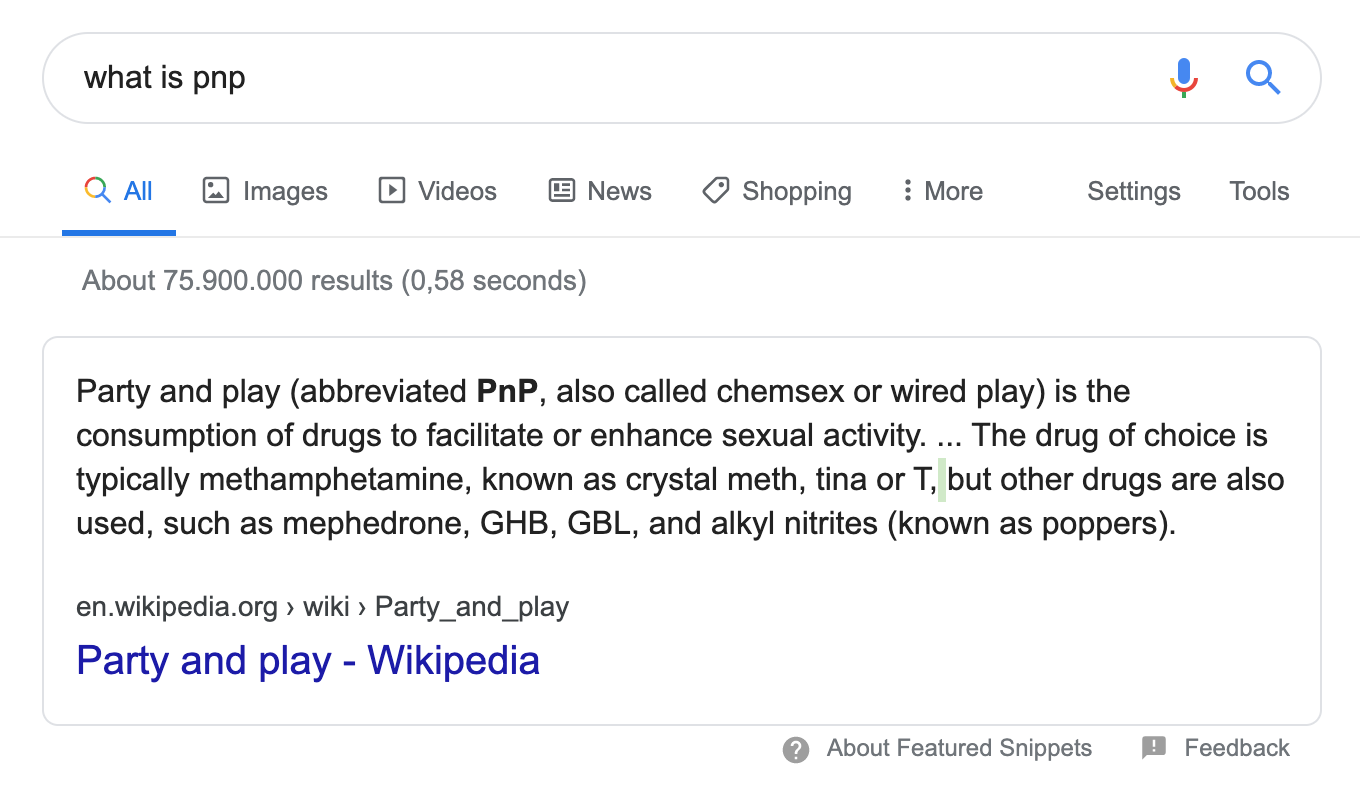
 stefanoeb
on 27 Jan 2020
stefanoeb
on 27 Jan 2020
Seems like we do need to be careful with that abbreviation, but it means plug and play: https://en.wikipedia.org/wiki/Plug_and_play
 Haroenv
on 27 Jan 2020
Haroenv
on 27 Jan 2020
Correct me if I'm wrong but it appears that there is no way to run Yarn v1 and Yarn v2 on the same machine right now? Love the progress in v2 but as a consultant changing environments often, I find no easy way to run both versions interchangebly on one machine.
Input appreciated:
https://stackoverflow.com/questions/59934191/how-to-install-yarn-v1-and-yarn-v2-on-the-same-machine-so-they-can-be-used-inter
 designorant
on 27 Jan 2020
designorant
on 27 Jan 2020
From the original author of yarn:
Yarn 2 shouldn’t even be called Yarn. Change every piece of a ship and it’s a completely new ship, not an evolution. Want to shed previous baggage? New name. Want to make a completely new codebase with a different project philosophy? New name. Otherwise? Thrash the community.
This tweet has been deleted but archived here.
Looks like that link no longer works, perhaps archive websites don't like archiving a cache. Here are other backups:
- Google's cache
- web.archive.org (try refreshing if it doesn't load properly)
- archive.is
- a screenshot
 qaisjp
on 27 Jan 2020
qaisjp
on 27 Jan 2020
Correct me if I'm wrong but it appears that there is no way to run Yarn v1 and Yarn v2 on the same machine right now? Love the progress in v2 but as a consultant changing environments often, I find no easy way to run both versions interchangebly on one machine.
@designorant not sure I'm understanding your need yet I think yarn policies set-version berry could work getting-started/install
Uh, as already mentioned on SO
 CanRau
on 30 Jan 2020
CanRau
on 30 Jan 2020
Today I had a video call with @arcanis in which we discussed options to reduce tension about the Yarn 2 announcement and identify a path forward.
First, I want to say that Berry is technically an awesome piece of software and it’s been great to see it be built by a small team of dedicated people mostly in their spare time over the course of the past year. As npm, Yarn, pnpm and others have shown, building a fast, reliable and easy-to-use package manager for JavaScript is hard work and requires dedication.
Hundreds of people have voiced their strong concerns about the currently proposed strategy through comments, tweets, and reactions on this issue. I think the reason the Yarn 2 announcement caused such a strong reaction has little to do with some of the new features people discussed and memed about. These are good features that should be built into Yarn. I don’t think this has anything to do with whether the code in this repo should be called Yarn or Berry.
The reason why many people – especially maintainers of popular projects – are concerned is because there is no easy migration path from Yarn 1 with node_modules to Yarn 2 with PnP. In Yarn 1, there was no migration needed. It was successful because it solved a concrete need that users had at the time by running a single command.
In Yarn 2, a migration is necessary because PnP is enabled by default. The announcement post doesn’t make a big deal about PnP, but it is the single most fundamental difference about how Yarn 2 works compared to all other package managers. Instead of creating a node_modules folder, PnP takes over module resolution. Instead of accessing real files directly, PnP provides access to modules from within compressed zip files. This can be a huge benefit for large projects with slow install times! However, this was released as part of Yarn 18 months ago, and has not gained significant adoption in part because it’s been hard to make it work in existing complex setups.
Even experienced developers will have to spend a lot of time trying to upgrade to PnP. If library authors have issues upgrading, they’ll either stop trying or move to another tool out of fear they may end up on an unsupported package manager. Additionally, PnP breaks non-Node-based tools because they can't rely on a filesystem convention. Another problem is that it's usually not enough to change your own build setup to upgrade. PnP requires all the transitive build dependencies to also be compatible. Since most popular tools don't run PnP compatibility checks in their test suites, a setup like this can break any day with any transitive patch release.
With this in mind, the most successful path forward is to keep all of the benefits of Berry without the breaking changes of Yarn 2 and PnP. To do that, I propose replacing Yarn 1 with Berry but keep PnP disabled. To support a smooth migration to what will eventually be Yarn 2, a strict mode can be added to Yarn by default that will give actionable error messages explaining how to make every packages PnP compatible. After sufficient time has passed, Yarn could be shipped with PnP enabled by default.
From my experience, big rewrites together with major functionality changes have a low success rate because the cost of switching is high and users end up with unexpected results. By replacing Yarn with a new codebase that functionally behaves the same as the previous version it will allow a smooth migration path, just like when Yarn was first released. I have no doubt that it will alleviate all concerns raised in this issue and it will unlock all the benefits of the fantastic new codebase in this repo to make Yarn successful for years to come.
To summarize, here are all the possible ways forward that I can see, including proposals for version numbers:
- The above proposal: Yarn 1.30: Release Berry as a minor update to Yarn, matching all existing behavior including node_modules by default. It will offer a strict mode that will help the ecosystem move to PnP compatibility. After assessing that the ecosystem is ready (via an RFC), Yarn 2 will ship with PnP by default.
- Proposal by @brentvatne: Berry: Release Berry as a separate package manager. Work on Yarn 1 and add a strict mode to eventually migrate everyone from Yarn to Berry, then replace Yarn with Berry.
- Proposal by Yarn’s maintainers: Yarn 2.0: Release Berry as a major upgrade with PnP by default.
To resolve confusion for people accessing the website, I recommend reverting the website changes until one of the proposals is implemented. Concretely, this means reverting yarnpkg.com back to Yarn 1 and use next.yarnpkg.com (or other domains) for the new codebase.
In our video call, @arcanis concluded that intents to continue with the originally proposed plan to release Yarn 2.0 with PnP by default. Through our conversation I gained clarity to summarize the possibilities above. I do hope that this summary is useful to the current maintainers of Yarn and that it may help them pick a good strategy that will allow people to easily upgrade to Yarn 2. With this, I’m going to conclude my involvement on this topic. Good luck!
cpojer
on 30 Jan 2020
@cpojer I think your post makes sense and it's essentially what I proposed here.
On my post (at the moment) we got 14 👍 and 14 👎, even though I don't quite understand what's so bad about this migration path proposal. It would be useful to get proper feedback from the people that find it a bad idea to better understand their use cases.
I think one of the main points is that the node_modules plugin for Yarn 2 is not yet completely ready.
FezVrasta
on 30 Jan 2020
@FezVrasta thank you for highlighting that. I do not mean to take any credit for the proposals listed above and apologize for missing your comment earlier (this is a long thread).
cpojer
on 30 Jan 2020
No worries! I'm more interested in understanding why I got so many downvotes, since I think the proposal is sound and seems to be very similar to yours.
FezVrasta
on 30 Jan 2020
@FezVrasta There is a sense in your idea, but there are also problem points.
The problem with your proposed solution:
Personally I would suggest to ship Berry as Yarn 2 with node_modules as default, but with some logic in place to warn when PnP incompatibilities are detected.
Doing so, package maintainers can start to fix them and be prepared for a v3 release where PnP is default.
is that it is not possible to detect PnP incompatibilities if we use node_modules together with built-in Node require to resolve modules, we cannot say which package is breaking the boundaries and requires unlisted dependency.
As for the rational part of your idea, it is possible (if require goes through PnP) to compute node_modules layout that could have been there if node_modules install was performed. And then we can actually give access to PnP module which requires unlisted dependency with a warning.
This is in the plans to add to v2 after we will be sure node_modules plugin does hoisting performance-wise and correctness-wise for a good amount of projects.
larixer
on 30 Jan 2020
@cpojer @arcanis It sounds like there is some middle-ground here which is great. I just had a few concerns and questions.
What would be time timeline for a transition? I would imagine some pain would be involved if this were to happen tomorrow or even over the next month.
Constraints seem like a really neat idea, but I have concerns about its implementation and adoption. It would have been really nice to see an RFC for some of the new features. What role / input do contributors, maintainers, and the general community have in the direction of yarn?
I haven't seen any education around initial installs being slower and subsequent being "Zero Installs." I have some concerns that users may not have accurate expectations around Yarn v2.
olingern
on 30 Jan 2020
Ah, here we go again: "companies will be stuck on V1 for a long time", "wait until it's widely supported", etc. Python 2 is still alive, and enterprises still use Node 4. Companies will be stuck even after wide support, but soft migration process is a must if it is possible. Trying a different name instead of next tag and continuing V1 for easier future migration may be not a bad solution.
 the-spyke
on 30 Jan 2020
the-spyke
on 30 Jan 2020
I’d like to throw in a historical anecdote from the React side. Not that it’s the same situation, but might be helpful to consider.
We knew in 2015 that we wanted incremental reconciliation. This is something Jordan prototyped and it seems like a fundamental shift that challenges many assumptions about how React works.
We started on a rewrite around that time. However, we knew we can’t change how React apps work over a short period of time. That would be a large blow to people’s confidence in React. If we create a bad impression, no matter how superior the solution is, the lost goodwill is a major hurdle for adoption. Which would set us backwards rather than forwards.
So instead, we rewrote React to make incremental reconciliation possible. But we kept the old behavior. We even “reimplemented” some of the old bugs to make the transition more seamless. That was the React 16 release: https://engineering.fb.com/web/react-16-a-look-inside-an-api-compatible-rewrite-of-our-frontend-ui-library/
Soon after React 16 release, we added a “strict mode”. It allowed people to opt into a stricter set of warnings that tell you about patterns that won’t work with incremental reconciliation. Judging by the issues we see in open source libraries, Strict Mode is widely adopted. People push component libraries to pass Strict Mode with no warnings. On the other hand, using something incompatible isn’t insurmountable. Some libraries are unmaintained, and it takes months of community effort to get them fixed or migrate away. If we warned without an opt in, everything would be so noisy that people would give up. So this has been a really effective strategy in getting people upgraded.
Now we have an opt-in to incremental reconciliation as well. It’s still experimental but people are trying it and the ecosystem is so much more ready for it than years ago. We also released a set of APIs (Hooks) that make it easier to write code that’s friendly to incremental reconciliation. I doubt we would be in this place if we simply turned out incremental reconciliation in React 16 by default.
I’d like to add that I deeply sympathise with the idea that sometimes, you just need to move forward. And that requires dedication and, sometimes, cutting losses. Still, it’s important to remember that technical innovation can only succeed when there is a climate for it to happen. There is a real cost to scaring the ecosystem, and that cost is that people won’t consider the technical aspects of the solution altogether. Some smart solutions from 1960s still aren’t in use today because the adoption strategy hasn’t been considered as closely as technical brilliance.
Hope this helps.
 gaearon
on 30 Jan 2020
gaearon
on 30 Jan 2020
Currently Yarn 2 (at least with PnP) doesn't work for most Gatsby websites. For example themes don't work with pnp, some plugins that write to node_modules don't work with pnp (eg gatsby-plugin-typography), there are many peer dependency issues. We also rely on node_modules being availaible internally. At current stage we wouldn't be recommending any of our users to use Yarn 2 (in fact all our documentation is using npm).
Gatsby project by itself, however, uses Yarn (because of workspaces). We are also interested in leveraging new features in Yarn 2, like releases.
For us @cpojer solution would be preferable, as it would allow us to continue supporting Yarn with Gatsby projects and at the same time use new features inside our monorepo. However, I'm worried that a minor release after a full rewrite will cause too many problems. Releasing Yarn version 2 without PnP as default could be a safer alternative.
 freiksenet
on 30 Jan 2020
freiksenet
on 30 Jan 2020
I disagree with the proposals mentioned here. I think the Yarn maintainers had the right idea with the original launch. It might be painful at first as libraries and tools become compatible, but it’s the only way to ensure the adoption of PnP over the long term.
Shipping with PnP off by default will result in PnP never gaining adoption. We’ve seen this already with Yarn 1, which has had PnP support for over a year. So, the question is, if it is turned off again, how long do we wait to turn it on by default? Another year? Two years? Three?
Yarn 2 is a major version bump, so it won’t break anything unless you upgrade. If you try it out and it doesn’t work for you, you can always downgrade! But, the bug reports that are sent to libraries and tools with incompatibilities are very important to PnP’s adoption, and won’t happen without this process.
I think we need to suck up the short term pain for the long term gain. This is the way. 😉
 devongovett
on 30 Jan 2020
devongovett
on 30 Jan 2020
I think one thing to note why pnp might not be gaining mainstream adoption on v1 is because there are no warnings to fix what should be fixed for pnp to work, rather than it being an option
Haroenv
on 30 Jan 2020
I saw the announcement post and was knocked over by how much amazing stuff is coming. Several parts of it solve real problems my team are fighting today.
I’m also conceptually a fan of PnP and have been looking forwards to its future progress since it came out.
Unfortunately, about 1/5 of my apps’ direct dependencies need patches making them incompatible with PnP. We use React-Native, and TypeScript, so we won’t be able to upgrade until those projects are fixed. This feels like a large hurdle that will keep these great tools away from us, and the nature of this migration could fracture the community. I think many people dislike using a “legacy” product, and many people can’t fix some of the stumbling blocks under the planned rollout.
I’d personally love @cpojer or similar proposals of delaying the hard PnP switch until more community investments iron out the rough spots. This lets the community come to know and love all of Berry’s other awesome features, and ideally even better understand the effort of switching to PnP.
I still like @brentvatne‘s proposal as a second fallback plan, it recognizes that community pain may have been underestimated, and might be easier (on a technical level) if slower for the maintainers to advance.
I have enjoyed yarn’s existence and have advocated for it at several shops, and feel it has produced a better npm community by its very existence, not to mention that npm literally adopted some of yarn’s learnings. I hope that that continues rather than making “giving up on yarn” the more attractive road for the majority of users; this pain is real, and if PnP is the future, then we can’t force it on people when the ecosystem isn’t ready or yarn itself doesn’t have enough tools to bridge us there.
 fbartho
on 30 Jan 2020
fbartho
on 30 Jan 2020
Yarn 2 is a major version bump, so it won’t break anything unless you upgrade.
That makes sense for libraries. But does it make sense for global commands? If everyone installing Yarn today gets something very different from what people who added yarn to their READMEs meant, this has to be at least a little bit confusing. Maybe I'm missing something.
Shipping with PnP off by default will result in PnP never gaining adoption.
Do you find the opposite of this statement believable? That turning it on by default for users who have no technical expertise to fix PnP issues will lead to PnP gaining adoption? I'm somewhat skeptical of this, although I'd love to be proven wrong.
gaearon
on 30 Jan 2020
I don’t think installation instructions in readmes have ever been that specific about which package manager to use. Many document npm install but that doesn’t stop people from using yarn or pnpm. pnpm in particular already works pretty differently, which causes some bugs for library/tool authors already, so there is some historical precedent here.
devongovett
on 30 Jan 2020
When you read npm i pkg-name and you convert it to yarn by yourself, you can expect to get a different outcome.
But if the readme already reads yarn add pkg-name and running this exact command you get a different outcome, people will for sure get confused, or at least, I would.
Personally, in all my packages' READMEs I put both npm and yarn install commands, and I can think of a lot of other popular OSS projects doing the same.
FezVrasta
on 30 Jan 2020
Personally, in all my packages' READMEs I put both npm and yarn install commands, and I can think of a lot of other popular OSS projects doing the same.
Yeah.
My concern is that if people's first experiences with Yarn V2 look like https://github.com/yarnpkg/berry/issues/843, open source maintainers will likely start removing the Yarn-specific instructions to avoid confusing their users.
Personally, I don't have investment in what happens either way. But it would be a shame if this set the project back even if the solution is technically superior and the pain is supposed to be short term.
gaearon
on 30 Jan 2020
Do you find the opposite of this statement believable? That turning it on by default for users who have no technical expertise to fix PnP issues will lead to PnP gaining adoption?
It’s possible I guess, but that’s a pretty pessimistic viewpoint. We can’t move the status quo forward without trying.
Also remember: it’s opt in, so users are choosing to turn it on by upgrading. They also have a way out by downgrading. Users don’t need to “fix” the issues themselves, they can report them, and downgrade if needed.
devongovett
on 30 Jan 2020
I don't quite get why this has to be forced on end users, if PnP is a superior solution it will eventually find its way to widespread adoption. Why the rush?
I think the famous Linus quote about "never ever breaking userspace" is quite fitting for yarn, as it has become a central piece of software at the core of our projects.
Forcing breaking changes to end users that mostly only care about stability and have actual work to do is wrong in my opinion, moreover, I'm afraid it would irremediably damage this project.
Please ship berry as a standalone new project and put yarn in maintenance mode. Dealing with a third package manager would be quite painless, most of the hard work has already been done for the npm/yarn split.
 mgcrea
on 30 Jan 2020
mgcrea
on 30 Jan 2020
I second the idea of having berry as a standalone new project. The changes are just too many to keep them in the same brand/binary IMHO. Even if it comes with huge benefits, it’s confusing for newcomers due to how different its architecture is.
The thing is that we get so used to work with these tools daily that we forget that every day new developers come to the ecosystem, meaning they have to go through the whole JS-fatigue process. How are we going to explain to them that yarn is one thing from version 1.x and utterly different beast on version 2.x? If berry had evolved in the same way react with 16.x did as @gaearon mentioned, then I would support the version upgrade. However, even for react 16.x you could easily upgrade, give it a try, and rollback when needed. I do not see that happening at all with berry as it is right now.
I don’t think it’s fair to only worry about the _current_ community and avoid thinking about the ones to come. Let’s learn from other communities that went through similar hurdles (e.g. python ended up choosing python3 and pip3) and see how adoption goes. As an industry, I think we are more used to tackle package diversification than breaking changes on version upgrades. For instance, there are many task runners/bundlers in the industry (e.g. grunt, gulp, broccoli, parcel, rollup) that were forks/inspirations from previous packages rather than upgrades. As of today, many companies use each of these runners because it fits their knowledge base, needs, etc.
In short, I would love to try berry as a standalone project that allows me to have yarn or npm live at the side, the same way yarn can be run in a project with package-lock.json and just be like “Hey, so, here’s the thing, I noticed you have package-lock.json, that might not be ideal”. Getting a taste of the new kick-ass features berry has in existing projects would be for my team and me the best path to use it from the get-go in new ones.
As a closing note, in particular, to @arcanis, take all these comments with a grain of salt. The JS community is extremely grateful for the work individuals like you and the @yarnpkg maintainers (and companies like @Datadog that sponsor this!), that it’s easy to get lost in the many “Well, I think that...” comments when a good chunk of developers sit on the side just looking to try the new toys. Projects like Babel got their fair share of hate on an upgrade (can’t remember which), that got their maintainers to feel pretty bad about work they did for (guess what) free. Do not let impostor syndrome kick in: you are doing awesome work here.
 jjperezaguinaga
on 30 Jan 2020
jjperezaguinaga
on 30 Jan 2020
There is so much FUD being spread in this thread.
Forcing breaking changes to end users
Nothing is being forced. You need to explicitly upgrade. That's why it's a major version release.
if PnP is a superior solution it will eventually find its way to widespread adoption. Why the rush?
PnP has been available for over a year already with only a small amount of adoption. Enabling it by default is the next step. If not now, when?
Please ship berry as a standalone new project and put yarn in maintenance mode.
How is this any different? Yarn 2 is already opt-in, just like a separate project would be.
devongovett
on 30 Jan 2020
Of all the proposed solutions, releasing berry as a stand-alone project will, in my opinion, cause the most friction. Do we really want to our language community to have four fundamentally-different-yet-similar package managers? (npm/yarn/pnpm/berry)
We need less fragmentation in our ecosystem, not more.
 jorgegonzalez
on 30 Jan 2020
jorgegonzalez
on 30 Jan 2020
@devongovett I think the issue lies in the _all or nothing_ approach of v2. It comes with many improvements that no one would find an issue with, yet a large portion of the community will have to downgrade because node_modules support is not ready yet in v2. A compromise would be to release v2 without PnP enabled by default, so as to not force people to stay on v1 and miss out on other improvements.
I don't know if the v2 improvements are possible without PnP, if not then that's another problem
cevr
on 30 Jan 2020
@devongovett - a comparable example that comes to mind for me here is Node / Deno — what if once Deno has partial compatibility with Node ("It's unlikely we can make Node code work 100% of the time") it were to ship as the next major version of Node? I think this would create a massive split in the community between pre-Deno Node, like Python2/3. Deno is, in my mind, a technically superior solution — but that doesn't mean it should outright replace Node. There is room for both.
@jorgegonzalez - regardless of the outcome there will be friction here, the difference is whether it will be more clear for users to differentiate between yarn@1 and yarn@2, which behave completely differently despite having the same name, or between yarn and berry.
brentvatne
on 30 Jan 2020
You don't have to upgrade on day one. You can choose to wait for stability in the ecosystem. Nothing is forcing you.
devongovett
on 30 Jan 2020
Nothing is being forced. You need to explicitly upgrade.
A simple brew update; brew upgrade would pull the new major version, most people wouldn't even notice that they have upgraded to berry.
Do we really want to our language community to have four fundamentally-different-yet-similar package managers?
I'm fine with it, @jjperezaguinaga said it quite well, the JS ecosystem is built around package diversification, with forks and new projects popping up every other day, we're used to it.
Keep the same name and I bet you'll see people forking away yarn v1 as a new package manager. We will end up in the same state but the damage will be done.
mgcrea
on 30 Jan 2020
@brentvatne
a comparable example that comes to mind for me here is Node / Deno
The difference there is that Node is actively maintained whereas Yarn 1 will not be.
@mgcrea
A simple brew update; brew upgrade
@arcanis already addressed this in a previous comment: https://github.com/yarnpkg/berry/issues/766#issuecomment-578468954. Yarn 1 will stay as the latest package on package managers like brew, with yarn set version to opt into Yarn 2 for a specific project rather than globally.
devongovett
on 30 Jan 2020
The difference there is that Node is actively maintained whereas Yarn 1 will not be.
Someone in this thread who has contributed to yarn in the past has already stepped up and offered to maintain it. I believe that others will get involved too.
brentvatne
on 30 Jan 2020
I tend to agree with @devongovett 's thinking, hence my suggestion earlier in the discussion to adopt a "next" metaphor to represent the state of Berry instead of Yarn 2. It _is_ the direction where the tool is headed but important components are still being discussed and reasoned about.
cwhitten
on 30 Jan 2020
Nothing is being forced. You need to explicitly upgrade.
A simple
brew update; brew upgradewould pull the new major version, most people wouldn't even notice that they have upgraded to berry.
This comment contributes to spreading fears.
➜  ~ yarn --version
1.21.1
➜  ~ brew update
➜  ~ brew upgrade
➜  ~ yarn --version
1.21.1
brew will not upgrade yarn version to v2
This is exactly what @devongovett talks about.
This thread has too many fears and too few rational thoughts. There are plenty of options if pnp doesn't work for you from day one.
- Wait until pnp will be adopted by major packages
- Use yarn 1
- Use yarn 2 with node_modules plugin (experimental at the moment, but its state improves every day)
- Wait for more tools from v2 that will relieve compatibility issues that are being worked on right now
- Come join v2 team and help to improve v2 pain points!
larixer
on 30 Jan 2020
Please correct me if I'm wrong, but the node_modules plugin should provide the compatibility layer to whom is not able to upgrade to PnP, right? If so, IMHO, all we need to do is wait (and help, if able) until it is stable, then change the latest tag to v2, so we can have an easy migration path.
Library maintainers can also document this on their README, pointing that if you are using Yarn V2 you need this plugin.
 arslivinski
on 30 Jan 2020
arslivinski
on 30 Jan 2020
the JS ecosystem is built around package diversification, with forks and new projects popping up every other day, we're used to it.
jorgegonzalez
on 30 Jan 2020
Thanks everyone, I think all arguments have been made. I'll lock this issue for tonight, and will come back tomorrow to share a longer retrospective and detail the plans our team discussed.
arcanis
on 30 Jan 2020
Edit by @arcanis: When I lock a thread as "too heated", I expect discussions to stop and people to go home - people with repository write-access included. One-sided arguments do nothing to "stop the flamewar". Thanks for understanding.
Yarn 1 will stay as the latest package on package managers like brew, with yarn set version to opt into Yarn 2 for a specific project rather than globally.
If we do this long term, then PnP will still not get significant adoption. PnP has been an opt-in for Yarn 1 for the past 18 months and we've seen that people do not opt-in to stricter guarantees. An opt-in to Berry and PnP is effectively the same except the opportunity cost is higher for a marginal benefit to use additional features.
If we only do this short term as the announcement indicates, then the concerns above are valid and people are justifiably worried about being forced to migrate. This is a real concern that can't be brushed off with "don't use it". Many people here would love to just not use it, and they want guarantees that they won't be forced to today or in the future, or be able to use a drop-in replacement by running a single upgrade command.
There is so much FUD being spread in this thread.
Many of the people in this issue like @brentvatne and @janicduplessis have been involved since the very beginning of Yarn. The React Native community embraced Yarn on day one because of the huge install time wins. I have been involved with Yarn since before it was open sourced, funded the work on PnP at Facebook, monitored its deployment, helped fix problems and eventually removed it. I have seen the Berry codebase evolve from a prototype almost three years ago to what is in this repo today.
What we all presented above was entirely facts based from our heavy involvement with Yarn and early adoption of PnP. I do not believe you can claim that we are spreading misinformation or invoking fear to disadvantage this project. We are here because we care about the future of this community.
cpojer
on 30 Jan 2020
Hi everyone. I didn't want to answer this thread immediatly because the release is still young and, quite frankly, I didn't want to take decisions over the course of a week-end. @brentvatne was right to start the discussion, but that didn't mean we needed to act in a hurry. The release itself took weeks to plan (the blog post itself got reviewed by at least four people from the community, plus our own team), follow ups should be thought through with similar care.
This out of the way, our team (@yarnpkg/berry) discussed and we agreed on the following points. I believe most of you will be satisfied, but just as importantly we are satisfied with it and we think it's the best way for the project to move forward. Regardless of how you feel about it, I'd ask you to show us the respect and empathy we deserve.
Yarn 2.x and forward - our goals
Javascript has been a wild ride for the past twenty-or-so years. From browsers to servers, from desktops to smartphones, from a handful of developers building cute stuff to word-class applications with billions of users.
I myself remember my first open-source experiences - they were in ... 2006? I was writing tutorials for a phpBB forum hosting platform, writing small scripts to mark topics as closed and stuff. Distribution was funny: we had to tell users which files to modify, and where to put the code. It often didn't go very well...
Anyway, years later appeared npm, followed by Yarn, and the ecosystem took a very different turn. I was a bit skeptical when I first learned about Yarn, btw - speed was nice, but it failed to install the app I was working on at the time (it eventually did - go figure, it’s almost like projects improve given time 😉). Then in 2017 I started working on it, and something clicked. I was still seeing broken installs that we couldn't control. My coworkers still had to rm -rf their modules regularly. I had to context switch during installs. We hit file casing issues, file permission issues, filesystem i/o issues, we had to write layers upon layers to make it do what we wanted, ...
All this is what we are set to change with Yarn 2.x. We want installs to be fast (a typical install of our repository is 5s). We want installs to be light (a stock CRA app is now 60MB, vs 230MB before). We want installs to be fully deterministic (flat cache with full integrity checks, no chance for different behaviours) and stable (boundary checks, no more delta between prod and dev).
Today, what we need the most isn't code. It isn't users. And it most definitely isn't drama or trolls or jokes about design decisions. It's support. We've been working incredibly hard to give the JS ecosystem a chance to get rid of problems that plagued it for a decade. Our work is literally worth millions in computer resources and developer efficiency, and for that we'll get little to no rewards (guess where is Yarn on this chart).
So we now need you to care enough to make a change by yourself. If you don't, fine - we'll spend our resources elsewhere helping those who do.
About the initial release strategy
I did a mistake by not anticipating how our words would be interpreted. From my very pragmatical viewpoint, I didn't expect much to change due to the release itself: the latest tag stayed the same, the 1.x releases are available through the same URLs as before, the 1.x repository had already been in effective maintenance mode for a year, the 2.x repository had already received numerous RCs during the past months ... practically speaking, the only real change between then and now was the website homepage, which pointed to a refreshed documentation.
This reasoning unfortunately didn't account for the weight that words like “legacy“ or “deprecated“ would bear on some of our users. What we meant to express was that the 1.x branch was from our perspective considered “feature-complete”, but some instead interpreted it as an “upgrade now“ sign surrounded by flashing lights. Words have weight, and maybe choosing our words more carefully would have helped.
Is React Native abandoned by Yarn? /
Is React Native compatible with Yarn 2.x?
No to the first question, and yes to the second one. To suggest otherwise is frankly insulting to the amazing efforts that people like @larixer have put into ensuring that projects like React Native could still upgrade to the Yarn 2.x releases. If you're wondering why some might see FUD, consider that this might be the reason (together with the whole “forced“ narrative that maybe we contributed to with our poor choice of word, more on that later).
Yarn already supports an early version of our node_modules linker which we intend to support and keep improving over time. This linker will be the perfect way for 1.x projects to use the 2.x releases without having to deal with the PnP compatibility. If at some point you think the opportunity cost is low enough, or the value proposition high enough, then you'll be able to consider implementing the PnP compatibility at your own pace.
Let me rephrase it for good measure: if you use 2.x and don't like PnP, create a .yarnrc.yml file and add the following line. You're set!
nodeLinker: node-modules
Again, whether you think this should be the default or not is largely irrelevant to us; not being the default doesn't mean it doesn't exist or that we don't invest in it. Our defaults are what our team suggests - it's then up to you to pick the tools you think are the best for the job.
Will an RFC thread be opened?
This very thread has been a Request for Comment. Discussions have been going strong for almost a week, gathering contributions from the core team and users alike (now almost 40 people). Things are starting to go in circle, so now it’s up to our team to take a decision regarding how we want to handle the project. We will not open another thread on another repository just for the sake of rebooting the discussion.
Should this be named differently?
This is Yarn, it will stay Yarn. More than an implementation, we see this project as a focus. Yarn was first released focused on providing a “fast, reliable, and secure“ package manager, and this is the foundation upon which we will keep building.
Will installing the `yarn` package globally break 1.x projects? /
Do I need to upgrade now?
The yarn package will remain frozen on 1.x, and will only receive security updates (from our team; other contributors are welcome to merge functional PRs if they wish to). Similarly, we've asked the Docker image to stay on 1.x for the global binary. Generally speaking, we’ll recommend the global Yarn to remain 1.x.
Our team will continue releasing the 2.x by recommending per-project installations (also known as yarn set version, or yarn policies set-version). Part of our work will consist in improving this workflow to turn it into the preferred way to install Yarn.
Put clearly: applications that work now will keep their behaviour. There will be no “oh crap” moment caused by an unexpected upgrade on brew install yarn. Which brings me to my next point.
Is Yarn 1.x legacy? Deprecated?
No. We are scaling back the word we use. Earlier in the development we used to call Yarn 1.x “Classic“. I believe this is a good word we should have kept using for the release.
We will henceforth start referring to Yarn 1.x as “Classic“ in our materials. Yarn Classic will remain a tool that you can recommend to your users (whether external or internal, thinking of you @paularmstrong) free of the worry of being seen as recommending a legacy or deprecated tool. I mentioned it before: we see Classic as being feature-complete, so you can expect it to always be as good as it currently is. Over time we’ll keep making the 2.x branch more and more compelling, but it’ll be an organic process that we don’t intend to rush.
The Yarn Classic documentation will be moved once again to be hosted at classic.yarnpkg.com. We hope that this change will better convey our intent and will be in line with what people like @cwhitten suggested.
And no, I don't actually play World of Warcraft.
Will PnP be the default?
First, let me be clear: this is ours to define. You are free to have your opinions and to share them respectfully (as some did here), but ultimately it's up to the people spending their nights on Yarn to decide the direction they wish to give to their work.
We decided that Yarn 2.1 would implement what we call a PnP-loose mode, inspired in idea by the loose mode in Babel. In PnP-loose mode, which will be the default, Yarn will print warnings should a package rely on undefined behaviours (instead of throwing flat-out exceptions). We will strive to do something sensible (usually resolving to a compatible version of the package), but the warnings won't let you ignore the underlying issues.
Note that PnP-loose installs will be slower and will generate heavier files than PnP-strict installs (which will be available as well although not as the default install they currently are).
Is Yarn a community project?
We see ourselves as a community of contributors. We work together towards similar goals, and we're happy to welcome into our team anyone willing to contribute in good faith - be it by doing support, development, or documentation.
This doesn't mean, however, that we'll let a Twitter community or any one company or project dictate our roadmap. Yarn doesn't generate any monetary contribution for any of us, and our incentives lie in making a software we would recommend rather than a software built around user acquisition.
Whether you prefer to see that as a positive or a negative is now up to you.
To summarize:
- Yarn 1.x isn't legacy
- Yarn 1.x will keep being the preferred global binary
- Yarn 2.x will be distributed through
yarn set version - Yarn 2.x will use a PnP-loose mode which will warn on danger
- Yarn 2.x supports
node_modulesinstalls if you prefer that - Decisions regarding the project are up to our active contributors

arcanis
on 31 Jan 2020
Related issues
 thealjey
·
4Comments
janicduplessis
·
4Comments
thealjey
·
4Comments
janicduplessis
·
4Comments
 IanVS
·
4Comments
IanVS
·
4Comments
 benwainwright
·
3Comments
benwainwright
·
3Comments
 Mike-Dax
·
3Comments
Mike-Dax
·
3Comments
Most helpful comment
@arcanis I highly suggest you reconsider @brentvatne’s suggested solution. My beliefs are that Yarn 2 is a different package manager at the moment since it has no upgrade path for a significant amount of the userbase. Big players such as FB and Twitter have publicly stated that they cannot use Yarn 2 because of PnP. Like it or not, they have large sway when it comes to JS standardization.
My worry with your proposed plan is that you will damage the reputation of Yarn and kill the thing you have been working so hard on as well. That would be a shame, since what you have built is awesome. However, maintainers including myself, will immediately remove yarn from all docs so as to avoid confusing people around installation. The website needs to be Yarn 1, with a big banner stating that berry is the blessed successor and linking to its docs.